Dietary Patterns and Nutritional Balance: A Holistic Perspective

Understanding How Food Diversity Creates Nutritional Completeness

The Concept of Nutritional Balance

Nutritional balance represents more than calculating macronutrient percentages or micronutrient quantities. It encompasses the synergistic interactions of diverse nutrients from varied food sources, consumed as part of consistent dietary patterns over time.

The complexity of nutritional science reflects the intricate interdependence of nutrients. Vitamin D enhances calcium absorption; vitamin C enhances iron absorption; zinc absorption depends on dietary protein and pH. Individual nutrients function not in isolation but within a comprehensive nutritional ecosystem.
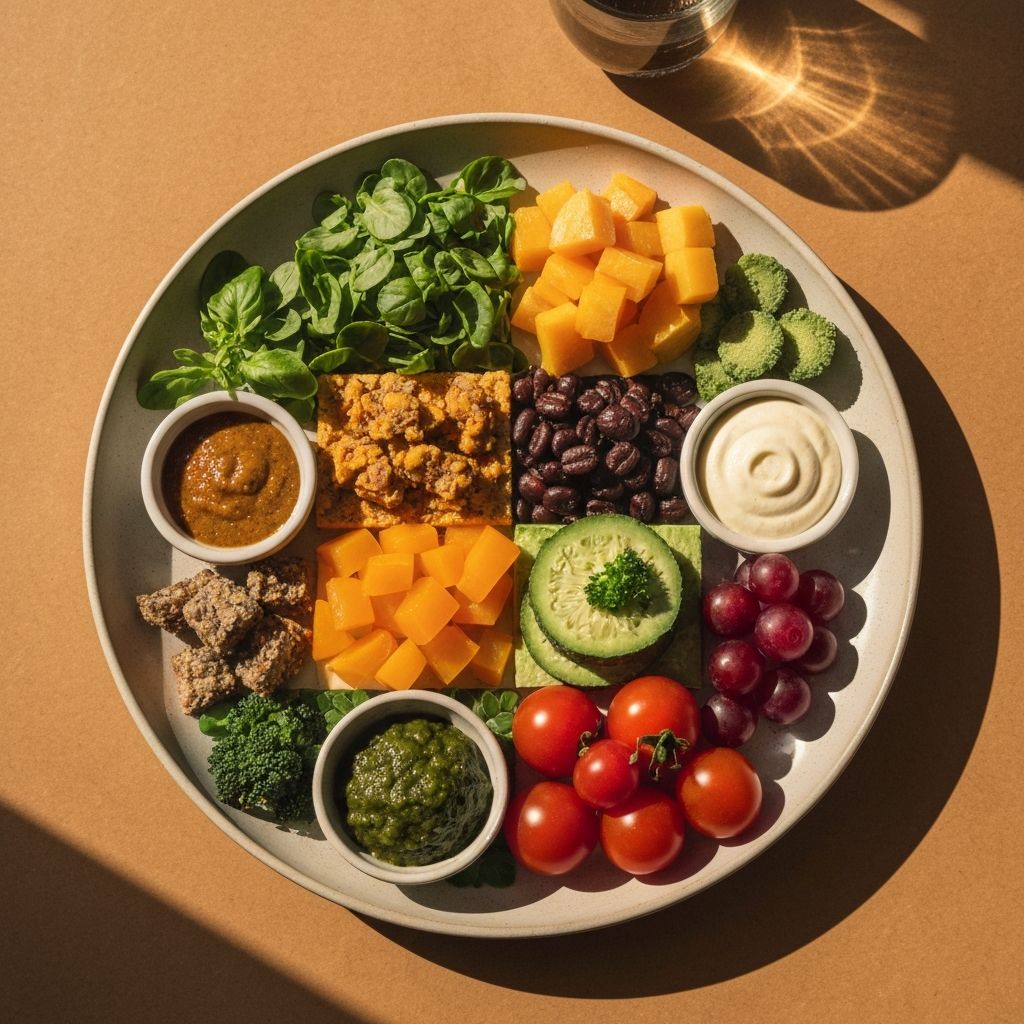

Balanced plate concept with diverse nutritious foods

Food Groups and Nutritional Diversity

Vegetables and Fruits

Vegetables and fruits provide vitamins, minerals, fiber, and phytonutrients—compounds with potential antioxidant and anti-inflammatory properties. Diverse colors reflect different nutrient profiles: orange vegetables contain beta-carotene; red fruits contain lycopene; dark leafy greens contain minerals. Consuming a variety of colors ensures broad micronutrient coverage.

Whole Grains and Legumes

Whole grains (brown rice, oats, quinoa, wheat, barley) provide carbohydrates, B vitamins, minerals, and fiber. Legumes (beans, lentils, chickpeas) offer plant-based protein, fiber, and minerals. Together, grains and legumes create complementary amino acid profiles.

Protein Sources

Both animal and plant proteins contribute to nutritional diversity. Fatty fish provide omega-3 fatty acids; poultry offers lean protein; eggs provide choline; legumes provide fiber alongside protein; nuts and seeds offer healthy fats and minerals.

Dairy and Dairy Alternatives

Dairy provides calcium, vitamin D, protein, and B vitamins. Plant-based alternatives (fortified soy, almond, oat milks) offer similar nutrients when properly fortified. This group contributes bone-supportive nutrients and protein.

Person surrounded by healthy diverse foods and natural wellness

Synergistic Nutrient Interactions

Nutritional science increasingly recognizes that nutrients function synergistically. Lycopene (a tomato phytonutrient) is better absorbed when consumed with fat. Beta-carotene converts more efficiently to vitamin A in the presence of dietary fat. Calcium absorption depends on vitamin D.

Phytonutrients and Bioactive Compounds

Beyond traditional vitamins and minerals, foods contain thousands of bioactive compounds. Flavonoids in berries, isoflavones in soy, sulfur compounds in cruciferous vegetables—these phytonutrients contribute to the comprehensive nutritional value of diverse foods. Whole foods provide these compounds in natural proportions and combinations that exceed isolated supplement formats.

Digestive Factors

Fiber influences nutrient absorption rates and digestive health. Certain compounds (tannins, phytates) can reduce some micronutrient absorption, yet foods containing these compounds offer other nutritional benefits. Diversity in food selection naturally balances these interactive effects.

Practical Approaches to Dietary Balance

Food Variety Principles

Consuming diverse foods from each food group ensures comprehensive nutrient intake. Varying preparation methods, choosing seasonal produce, and exploring less common foods broadens nutrient exposure. Seasonal eating naturally aligns dietary patterns with local food availability and traditional practices.

Meal Composition

Balanced meals typically include a protein source, complex carbohydrates (whole grains or starchy vegetables), non-starchy vegetables, and a healthy fat source (nuts, seeds, oils, or fatty fish). This composition provides macronutrient balance, fiber, vitamins, minerals, and satiety.

Consistency Over Perfection

Nutritional balance reflects patterns over time, not individual meals or days. Occasional deviations from ideal patterns have minimal impact. Sustainable dietary practices that emphasize whole foods, reasonable portions, and food diversity support long-term nutritional adequacy better than restrictive, unsustainable approaches.

Individual Variability in Nutritional Needs

Nutritional requirements vary significantly based on age, sex, activity level, metabolic efficiency, health status, medications, and genetic factors. Adolescents have different nutritional needs than adults; pregnant individuals require increased certain nutrients; athletes may need increased macronutrient intake; individuals with certain medical conditions may need modified approaches.

This variability underscores why general educational information cannot replace personal assessment. While universal principles guide balanced nutrition, individual implementation should account for personal circumstances and preferences.

Cultural and Practical Considerations

Food selection reflects not only nutritional science but also cultural traditions, economic factors, availability, taste preferences, and ethical considerations. Nutritional balance can be achieved through diverse approaches—Mediterranean patterns, plant-focused patterns, varied omnivorous patterns—all supporting health through different food combinations.

The most sustainable dietary approach aligns nutritional principles with personal preferences, cultural values, and practical constraints. Understanding nutritional science provides a framework for making informed choices within your individual circumstances.

Information Disclaimer

This article provides educational information about dietary patterns, nutritional balance, and food diversity. It does not constitute personal dietary recommendations or medical advice. Individual nutritional needs vary considerably based on multiple factors.

Important: For personalized dietary guidance, especially if you have health conditions, take medications, or have specific nutritional concerns, consult qualified healthcare professionals, registered dietitian nutritionists, or other qualified nutrition experts.

Not a medical product. Consult a doctor before use.

← Back to Articles